



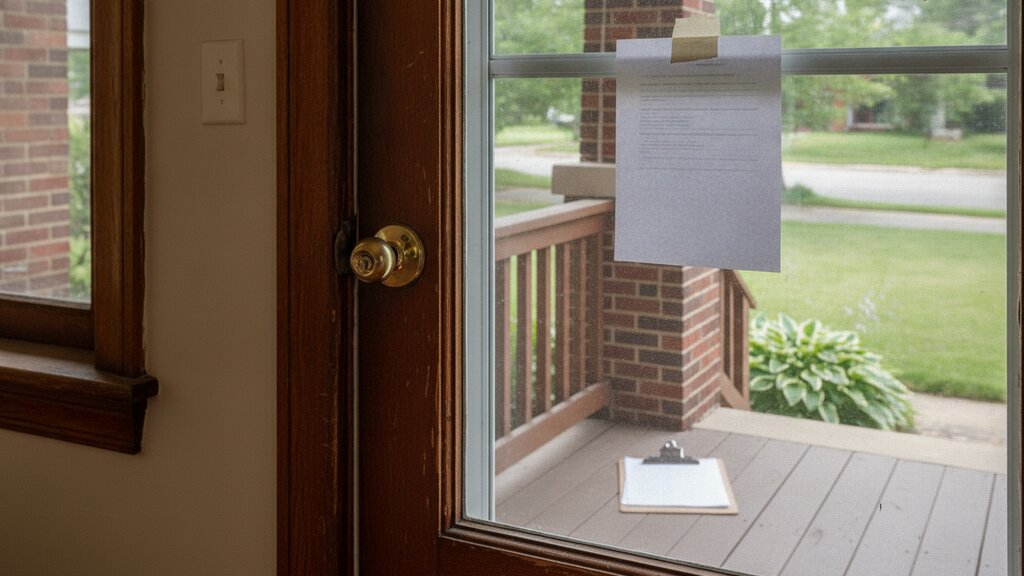
Your neighbor across a city line may have closed without an inspection, while your town wants one scheduled, passed and paid for. Missouri law lets that happen: it bars cities from requiring a home inspection before a sale, but the ban does not apply to occupancy permits.
This post walks through how the system works, what inspectors look for and who handles repairs. It's general information, not legal advice. For your own sale, check with your town's building department and talk to a Missouri real estate attorney if the contract terms are in question.
Do you need an occupancy permit to sell a house in St. Louis County?
It depends on the municipality the house sits in. The towns we checked tie it to the change of ownership or to the new occupant moving in, and the inspection usually comes before closing.
Missouri's statute on this is short. RSMo 436.345 says no political subdivision can require a property owner to have a home inspection done before selling a residential property. The next sentence says the rule doesn't apply to inspections for new construction or for occupancy permits. So a town can't make you hire a home inspector, but it can make the house pass its own occupancy inspection.
Here is how a few towns word the trigger on their own pages:
- Maryland Heights: A permit is required at any change of ownership or tenancy. Nobody may occupy the house, including moving furniture in, without an inspection and certificate first.
- Bellefontaine Neighbors: An occupancy inspection is required when a property is offered for sale or rent.
- University City: Anyone selling a home should arrange the inspection before the house goes on the market.
- Crestwood: The city does not require an inspection or home occupancy permit on an owner-occupied sale or purchase. Rentals are a different matter.
Which municipalities require an inspection at sale, and how do you check yours?
St. Louis County has many municipalities, and we found no official list of which ones require a sale inspection. The fastest check is your town's building or code enforcement page, or a call to its office.
Start by confirming which municipality the house is in: check the property tax bill or ask the title company. Then look for a page called occupancy permits, re-occupancy or residential inspections.
When you call, ask these questions:
- Does a sale of an owner-occupied house require an inspection?
- What is the fee, and how many reinspections does it cover?
- How soon can the inspector come out, and does someone have to be there?
- How long is a passed inspection good for?
- If the house fails, can the buyer take on the repairs under a conditional permit, an escrow or another agreement?
If the house is in unincorporated St. Louis County, the town isn't the office to call. We have not confirmed the County's current rules for this post, so contact St. Louis County directly for the current process.
The City of St. Louis is separate from the County and runs its own program. We cover it in the FAQ below. For selling a house inside the city, see our St. Louis city page.
What do occupancy inspectors usually flag?
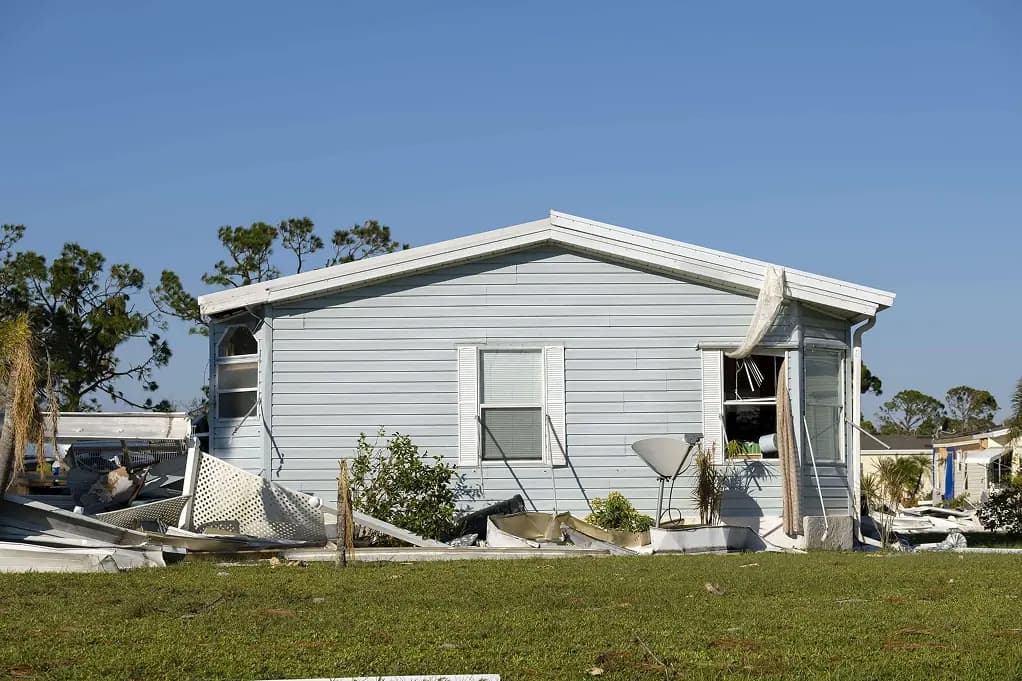
They check the house against a property maintenance code, looking for safety and basic upkeep. It is not a full home inspection: the City of St. Louis says its inspection is no guarantee of the building's condition and suggests buyers get their own.
Maryland Heights publishes a detailed list in its guide for realtors and sellers. On the outside, inspectors look at foundation walls, porches, decks, masonry, roofs, drainage, siding, windows and doors. Every exterior faucet needs a vacuum breaker. Inside, they check:
- Smoke detectors: One in every bedroom, outside sleeping areas and on each floor, including the basement.
- Electrical: No double-lugged breakers, no open splices, cover plates on outlets and GFCI outlets at kitchen counters, bathrooms and unfinished basements.
- Plumbing: No leaks, shut-off valves at faucets, and a water heater with a pressure relief valve and a drip tube.
- Stairs and windows: A handrail, egress windows in bedrooms and windows that open, stay open and lock.
- Furnace and fireplace: Proper venting, a clean filter and a gas shut-off.
The guide also says that work done without a permit must be permitted and pass inspection before the occupancy permit is issued. It names finished basements, replacement kitchens and baths, decks and carports converted to garages as the common cases.
The same guide says the city doesn't intend to make a fifty-year-old house match new construction. Its goal is a minimum standard of health and safety.
Who pays for the repairs the inspection finds?
The town's rules say who must fix violations before the permit issues, and the sales contract says who pays. Unless the contract shifts the work to the buyer, the seller usually handles it before closing.
Some towns write this out. Lakeshire says that if the inspection cites violations, the buyer and seller must agree who will be responsible for fixing them. In Maryland Heights, the inspector leaves a field correction notice, and the violations must be corrected and reinspected. The $75 fee covers up to two reinspections. Overland charges $65 for the first inspection and one reinspection, then $65 for each extra visit.
A strict inspector can make the list long. Mark, 58, owned a house in Maryland Heights and had been laid off. The city's inspector was threatening eviction over items Mark felt were minor. Listing would have meant rebuilding a bathroom and fixing the front pillars and the back deck first, with more items possible after a buyer's inspection. He had already cashed out his 401(k), and it wasn't enough. Read how Mark sold his house as-is.
Mark's story is about code enforcement on a house his family lived in, not a sale inspection. Still, decks, porches and masonry are all on the Maryland Heights occupancy checklist.
Can the buyer take on the repairs instead?
In some towns, yes. A conditional or temporary permit can let the buyer move in and finish the repairs within a set window. Other towns expect the work done first. Check your town's rule before you sign a contract that assumes either one.
- Lakeshire: If the buyer agrees in the sales contract to make the repairs, the buyer gives that part of the contract to the building commissioner. The city then issues a conditional occupancy permit, so the sale isn't held up. The buyer has 90 days to fix the violations.
- University City: If the repairs are minor, the city may issue a conditional permit with 60 days to finish while residents live there. The conditional permit costs $35.
- Maryland Heights: The building commissioner may grant temporary occupancy permits in special cases, at the commissioner's discretion.
- Overland: The new occupants can't move in until the final permit is issued, after all violations are corrected.
None of the municipal pages we read describes an escrow for repair money. Some sales handle it that way by contract. If you're relying on an escrow, ask the town whether it accepts one and ask the title company how it would be held.
How does an as-is cash sale handle the occupancy inspection?
We buy houses as-is, and that includes code items. A sale to us still happens inside your town's occupancy rules, so the inspection or permit step is part of planning the closing.
In Mark's case, our team took the house as-is. The bathroom, the deck and the code items became the buyer's scope, and the buyer took on the city's open complaints. Chris met Mark's $160,000 as-is target, the contract was signed about a week after the first call, and the close was set around Mark's plan to be out in about 60 days.
Our offer method works the same way with an inspection report in hand. We start from what the house would sell for. Then we subtract a realistic repair budget and the costs we take on, like closing costs and the months of taxes and utilities during the work. You see each line, and our page on how we buy houses lays out the math. We pay fair prices, but not always full market value.
In many towns the permit is routine. The inspection fees we found run from $65 to $125, and Maryland Heights says its inspection normally takes less than an hour. If that's your town and the house is in good shape, a listing with an agent will often leave you more. A cash sale fits better when the list is long, the town wants it done before closing, or you can't fund the work. See the towns we cover on our areas we serve page, including Maryland Heights.
Frequently asked questions
How far ahead should I schedule the inspection?
Schedule it before you list, or as soon as you have a contract. University City asks sellers to have the house inspected before it goes on the market. In the City of St. Louis, the earliest inspection is three business days after you apply. Passed inspections expire: Maryland Heights gives the new occupant 90 days to get the permit, and a City of St. Louis certificate is good for 12 months. Ask your town for its current wait.
What does the inspection cost?
It depends on the town. Maryland Heights charges $75, with up to two reinspections. Overland charges $65 plus a $25 permit fee. University City charges $80 per unit for a home sale. Bellefontaine Neighbors charges $125 for the inspection and $50 for the permit. Lakeshire lists $96 for a house. The City of St. Louis charges $120 to apply. Confirm current fees with your town.
Does unincorporated St. Louis County require one?
Ask St. Louis County directly. We have not confirmed its current rules, fees or timing for this post. Confirm first that the house is really unincorporated. Your property tax bill or the title company can tell you which jurisdiction applies. Then call the County office that handles occupancy inspections for that area.
What about the City of St. Louis?
The City of St. Louis runs its own program, separate from the County. The whole city is a Housing Conservation District. A Certificate of Inspection is required before a vacant unit is occupied, and on the sale of an occupied house if none was issued in the past 12 months. For a residential sale, the certificate must be in hand before the buyer moves in. The application costs $120, and if the certificate lists violations, the owner has 30 days to repair.
Can I close without the permit?
Sometimes, but plan for it. The rules we read are written around moving in, not around recording the deed. Maryland Heights makes it unlawful to occupy the house without an inspection and certificate. Lakeshire expects the inspection before closing but offers a conditional permit so the sale isn't held up. A buyer who can't move in will usually want this settled in the contract. Ask your title company what it needs before closing day.
Does the permit transfer to the buyer?
Usually not. The permit is issued to the person moving in, though a recent passed inspection can carry over. Maryland Heights says occupancy permits are not transferable, and the new occupant applies within 90 days of the passed inspection. Overland's application is filled out by the buyer or tenant, and its permit fee is non-transferable. In the City of St. Louis, a certificate issued within the past 12 months covers a sale without a new inspection.
When you're ready
If your town's inspection turned up a list you'd rather not take on, we can put a written as-is offer next to the repair estimate, and you decide. See where we buy on our areas we serve page, send us a message, or call (314) 334-1481.
Sources
- Missouri Revisor of Statutes: RSMo 436.345, Home inspection not required for sale of property, exception
- City of St. Louis: Apply for a Residential Occupancy Permit (Housing Conservation Inspection)
- City of Maryland Heights: Building and Codes
- City of Maryland Heights: Residential Occupancy Permits and Home Inspection Process
- City of Overland: Residential Occupancy Permit Procedure
- City of University City: FAQs, Occupancy Permits and Inspections
- City of Lakeshire: Occupancy Permits
- City of Bellefontaine Neighbors: Building Department, Frequently Asked Questions
- City of Crestwood: Permits and Licenses