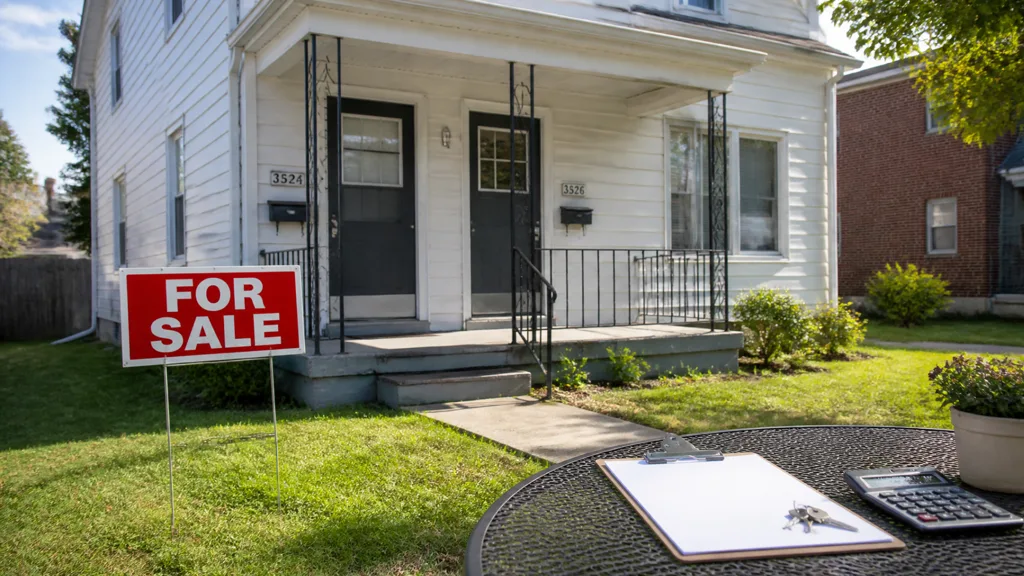




Short selling a home takes longer than a regular sale, because the lender has to approve the price and the terms. It can also leave loose ends: a balance the lender may still collect, a tax bill on the forgiven debt, and a mark on your credit.
If the house is worth more than you owe, you don't need a short sale. A regular sale pays the loan off at closing and you keep the rest.
What is a short sale, and who is it for?
A short sale is for an owner who owes more than the house will bring and can't make up the gap. The CFPB calls it a type of loss mitigation and an alternative to foreclosure, and since it is a sale, you still move out.
As an example only, say the house would sell for $150,000, selling costs run $12,000, and the payoff is $170,000. That leaves $32,000 unpaid. A lender that approves a short sale takes the $138,000 and releases its lien so the buyer can close. In an older St. Louis brick house, a long repair list can be what pulls the price below the payoff.
Lenders want a hardship that explains why you can't keep paying, and proof that you can't cover the gap. Under Fannie Mae's rules, the servicer asks for a cash contribution toward the shortfall when a borrower has more than $10,000 in non-retirement savings. It also asks when housing costs are 40% of income or less.
How short selling a home works: approval and the hardship package
You apply to your servicer, the lender checks your finances and the house, and then it approves, counters or declines a buyer's offer. Every lender with a lien on the house has to sign off.
Fannie Mae's rules show the usual steps; other loans follow their own, so ask your servicer for its checklist.
- For a Fannie Mae loan, a complete application is the Mortgage Assistance Application (Form 710), income documents no more than 90 days old and proof of the hardship. The servicer may also ask you to sign an IRS form so it can pull your tax transcripts.
- FHFA's 2012 short sale rules for Fannie Mae and Freddie Mac list death, divorce, disability and a job move over 50 miles as common hardships.
- The lender orders its own valuation, and you have to give whoever does it access to the house.
- A home equity line or second mortgage has to release its lien too.
You stay responsible for keeping up the house until the sale closes. The CFPB says a HUD-approved housing counselor can help you plan the next steps.
How long does a short sale take?
Plan on it taking months. Fannie Mae's servicing rules set the clock for its loans, and the time to find a buyer comes on top:
- within five business days of an offer, the servicer acknowledges it and lists anything missing;
- within 30 days of a complete package and an offer, it approves, counters or declines in writing;
- within 60 days of approval, the sale has to close unless Fannie Mae extends it.
The foreclosure doesn't pause on its own. Fannie Mae tells servicers to warn borrowers that listing the house may not delay a foreclosure.
Federal servicing rules give you two protections on a loan for the home you live in. The servicer generally can't start a foreclosure until you are more than 120 days behind. If you send a complete application more than 37 days before a scheduled sale, most servicers must evaluate it within 30 days. They also can't hold the sale while the review and any appeal are pending.
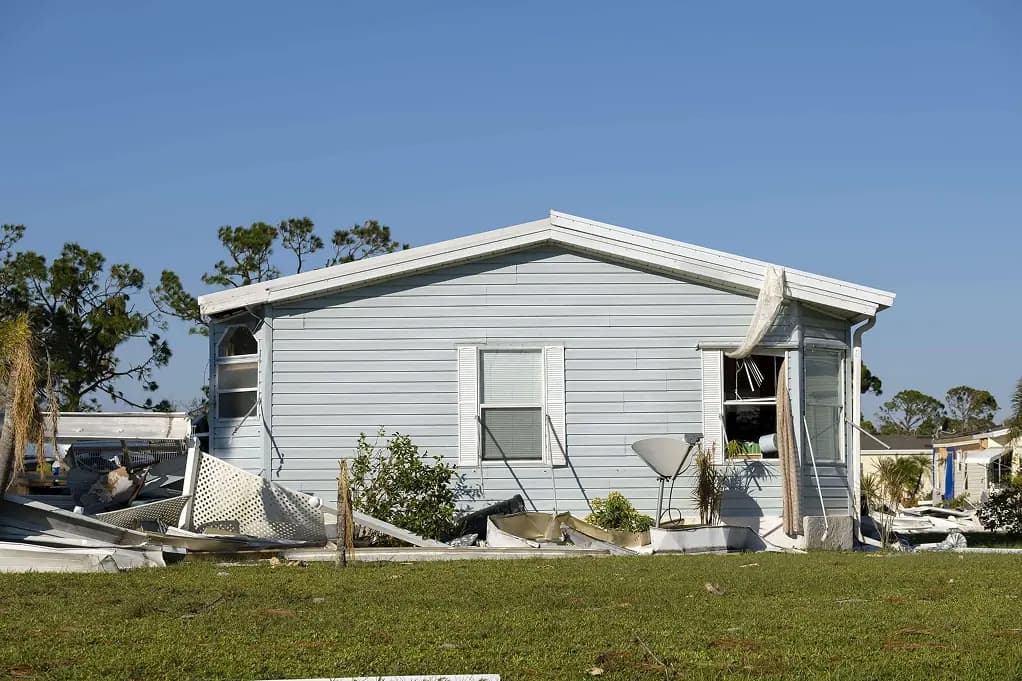
Once a sale is scheduled, Missouri requires at least 20 days' notice. That is a short window for a lender review, so the earlier you apply, the more room you have. Our guide to how foreclosure works in Missouri walks through the full timeline.
Can you still owe money after a short sale in Missouri?
Yes, unless your lender waives it. The unpaid gap is called the deficiency. The CFPB's advice is to ask the lender to waive it before the sale, then get the waiver in writing and keep it.
Read the approval letter for wording that releases you from the remaining balance. If it isn't there, assume the lender can still try to collect. Some lenders waive it only in exchange for a cash payment or a signed note from a borrower who can afford one.
Fannie Mae loans have a firmer rule. Its servicers must release the deficiency when a Fannie Mae short sale closes on a loan without mortgage insurance. Insured loans get the same release when the insurer has given Fannie Mae that authority.
Missouri's own rule matters most if the house goes to foreclosure instead. Missouri sets it through case law: the deficiency after a foreclosure is the debt minus the foreclosure sale price, as long as the sale was fairly conducted. The Missouri Supreme Court kept that rule in 2012, in First Bank v. Fischer & Frichtel. You can't argue in the deficiency case that the house was worth more than the auction brought.
If a lender asks you to sign a note, or sues you for a deficiency, talk to a Missouri real estate attorney.
Is forgiven mortgage debt taxable after a short sale?
Often, yes. The IRS treats canceled debt as taxable income in general, and a short sale is one way a mortgage debt gets canceled.
- The lender may send you Form 1099-C showing the amount canceled. You still owe the correct tax for that year, even if the form is wrong.
- The exclusion for debt on your main home covers debt discharged before January 1, 2026, or under a written arrangement made before then. A short sale agreed in 2026 with no earlier written arrangement doesn't qualify.
- Debt canceled in a bankruptcy case can be excluded. So can debt canceled while you were insolvent, up to the amount your debts exceeded the value of everything you owned just before the cancellation.
- Missouri's income tax starts from your federal adjusted gross income, so canceled debt that counts federally generally counts in Missouri too.
Talk to a tax adviser before you sign.
What a short sale does to your credit
A short sale is a negative mark, and so are the late payments before it. Credit reporting companies can generally report most negative information for seven years, the CFPB says, so a short sale and a foreclosure both tend to stay that long.
The bigger difference comes when you apply for a mortgage again. A short sale typically shows up on a credit report as "settled for less than full balance," Fannie Mae's Selling Guide notes, and the guide sets these waiting periods:
- after a short sale or a deed in lieu: four years, or two with documented extenuating circumstances;
- after a foreclosure: seven years, or three with extenuating circumstances and extra limits on the loan.
FHA, VA and other loan programs set their own waiting periods.
Short sale vs foreclosure, a deed in lieu or a regular sale
The choice mostly comes down to one number: whether the sale price covers the payoff and selling costs. If it does, you don't need the lender's permission. If it doesn't, you are choosing among the lender's options.
- Regular sale: When the house is worth more than the payoff and costs, a listing or a cash sale pays the loan off at closing. You keep the rest, and no debt is forgiven.
- Short sale: You choose the buyer and the timing, within the lender's rules. It takes months, can leave a deficiency unless waived, and can create taxable income.
- Deed in lieu of foreclosure: You sign the house over to the lender instead of selling it. The CFPB says to make sure it covers the entire amount you owe, get any deficiency waiver in writing, and expect a possible tax bill. Fannie Mae applies the same four-year wait as a short sale.
- Foreclosure: A Missouri deed of trust can be foreclosed by a trustee's sale, without a lawsuit. The deficiency is the debt minus the auction price, and Fannie Mae's wait is seven years.
A sale to us fits only the first case. When the house is worth more than you owe, it is one way to pay off the loan before a foreclosure sale. We buy as-is, and no closing costs are passed to you. We can make an offer within 24 hours. We can close in as little as 7 days when the title is clear; 30 to 60 days is typical. Our page on selling before foreclosure covers that route, and how we buy houses shows how the offer is built.
When you owe more than the house is worth, a sale to us won't close the gap. As our FAQ says, "We pay fair prices, but not always full market value." A listing may bring more; our guide to selling a house as-is in St. Louis has more on that choice. A short sale is built for the case where neither covers the loan.
Frequently asked questions
What happens when you short sale a house?
You list the house, accept an offer subject to the lender's approval, and send it with your hardship package to the servicer. The lender orders a valuation, then approves, counters or declines. At closing, the lender takes the proceeds, releases its lien, and either waives the rest of the debt or keeps the right to collect it. You move out, and the lender may send a Form 1099-C for the canceled amount.
Is a short sale better than foreclosure in Missouri?
For your next mortgage and for control over timing, usually yes. Fannie Mae's wait after a short sale is four years, against seven after a foreclosure, and you choose the buyer instead of a trustee setting an auction date. Both can stay on a credit report for seven years, and both can leave a deficiency or a tax bill. A short sale also takes months and can fall through, so apply early.
Can I do a short sale if I'm current on my payments?
Sometimes. Fannie Mae evaluates borrowers who are current. When the loan is current or less than 60 days behind, though, the servicer has to find that your payment is in imminent default under its rules. If you are asked to contribute toward the shortfall, the minimum on those loans is 20% of your non-retirement savings. Other lenders decide case by case, so ask your servicer before you list.
Do I need a real estate agent for a short sale?
For a Fannie Mae loan, yes in practice. The house has to be listed on the MLS for at least five days in a row, including a weekend, before the servicer sends the sale for approval. The servicer can help you find an agent, but it has to tell you that you may choose a different one. Other lenders set their own rules.
Will I get any money from a short sale?
Generally not from the sale price. Fannie Mae's rules bar the seller from receiving funds from a short sale. The one exception is a $7,500 relocation payment when the house was your principal residence, and even that has conditions. The CFPB suggests asking your lender about relocation help, sometimes called cash for keys.
Can a second mortgage or HELOC block a short sale?
It can. Every lender with a lien has to release it before the buyer can close. Fannie Mae caps what all junior lenders can be paid from the sale at $6,000 combined. A junior lender that takes a payment must release you from the debt and waive any deficiency. One that releases its lien but keeps its claim gets nothing from Fannie Mae, and you could still owe it.
Look at your numbers first
If you'd like a plain read on whether a sale could cover your payoff, see selling before foreclosure, send us a message, or call (314) 334-1481. Our office is at 8711 Watson Rd in Webster Groves. Take your time weighing what we say against your lender's options. This guide is general information, not legal or tax advice.
Sources
- CFPB: What is a short sale?
- CFPB: What is a deed-in-lieu of foreclosure?
- CFPB: How long does information stay on my credit report?
- CFPB: 12 CFR 1024.41, loss mitigation (Regulation X)
- CFPB: 12 CFR 1024.30, scope (Regulation X)
- Fannie Mae Servicing Guide: D2-3.3-01, Fannie Mae Short Sale
- Fannie Mae Servicing Guide: D2-2-05, Receiving a Borrower Response Package
- Fannie Mae Selling Guide: B3-5.3-07, Waiting Periods
- FHFA: Standard Short Sale Guidelines for Fannie Mae and Freddie Mac (2012)
- IRS: Topic no. 431, Canceled debt
- IRS: Publication 4681, Canceled Debts and Foreclosures
- Missouri Revisor of Statutes: RSMo 143.121, Missouri adjusted gross income
- Missouri Revisor of Statutes: RSMo 443.310, notice of sale
- Missouri Revisor of Statutes: RSMo 443.410, foreclosure by trustee's sale
- U.S. Court of Appeals, Eighth Circuit: M&I Marshall & Ilsley Bank v. Sunrise Farms (2013), on First Bank v. Fischer & Frichtel