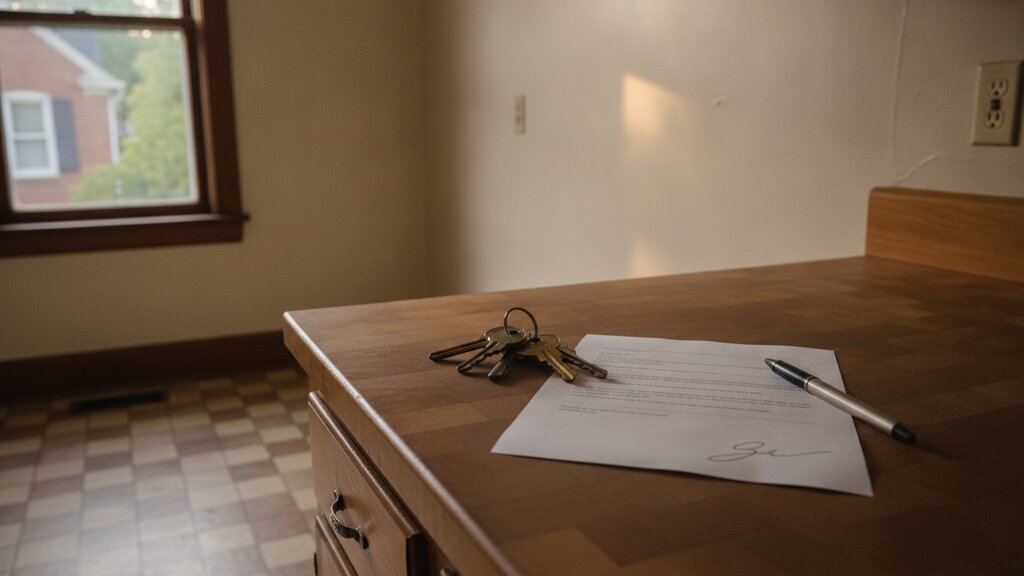



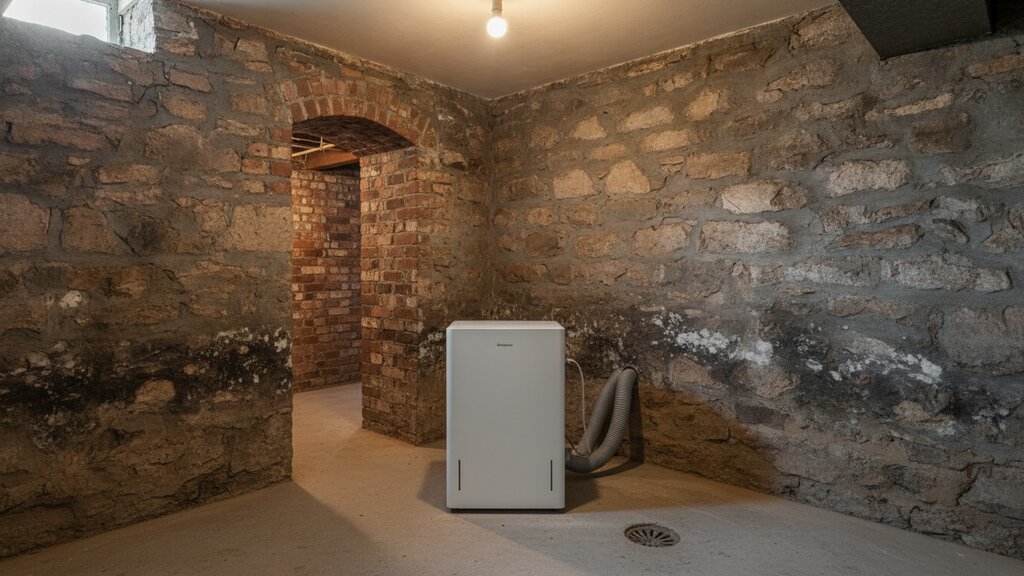
In an older St. Louis house, the basement is often where water and mold show up. A wet season, a cracked wall or a slow plumbing leak keeps a corner damp, and mold follows the moisture. Missouri's health department calls indoor mold growth a symptom of a water problem.
A small patch of mold with the leak already fixed rarely sinks a listing. The harder cases are large areas, hidden growth behind finished walls, or water that keeps coming back. This guide covers both. It's general information, not legal advice; for your own case, talk to a Missouri real estate attorney.
Can you sell a house with mold in Missouri?
Yes. No Missouri law bars the sale of a house with mold, and no Missouri or federal law sets an acceptable level of mold in a home.
Missouri has no statute that requires a seller to disclose mold specifically. We searched the Revised Statutes of Missouri and found none. The state does name a few things a seller must disclose by law, such as a known history of methamphetamine production on the property, but mold isn't one of them.
That doesn't make mold a secret you can keep. The standard Missouri disclosure form asks about it directly, and Missouri's consumer protection law covers concealed facts. The next section explains both.
The practical limits come from buyers. A buyer's inspector will report signs of active water in the basement, and some buyers will ask for a cleanup, a lower price or a way out of the contract. In practice, mold usually becomes part of the price talks.
What do you have to disclose about mold?
Disclose what you know. If you know about mold, past or present, or about water that caused it, put it on the form and describe what was done.
The Missouri Association of Realtors publishes a Seller's Disclosure Statement for residential property. The version we reviewed asks four questions about mold:
- Present mold: whether you know of any mold on the property.
- Covered or removed: whether anything with mold on it was ever covered up or taken out.
- Testing: whether the property was ever tested for mold.
- Treatment: whether the property was ever treated for mold.
The same form asks about dampness, water leakage or water collecting in the basement or crawl space, and about any repairs or attempts to control it. It also asks about flood, drainage and grading problems. For basement mold when selling a house, these water questions often matter as much as the mold questions.
The form warns that your answers, or the answers you leave out, may have legal consequences even after closing. When you sign, you agree to tell the buyer in writing about new information that turns up before closing, such as mold found during the buyer's inspection. The form has been revised since the copy we read, so ask your agent or attorney for the current version.
Missouri's Merchandising Practices Act counts real estate as merchandise. It makes concealing or omitting a material fact in connection with a sale an unlawful practice. A buyer who bought a home for personal or household use and lost money as a result can sue for actual damages.
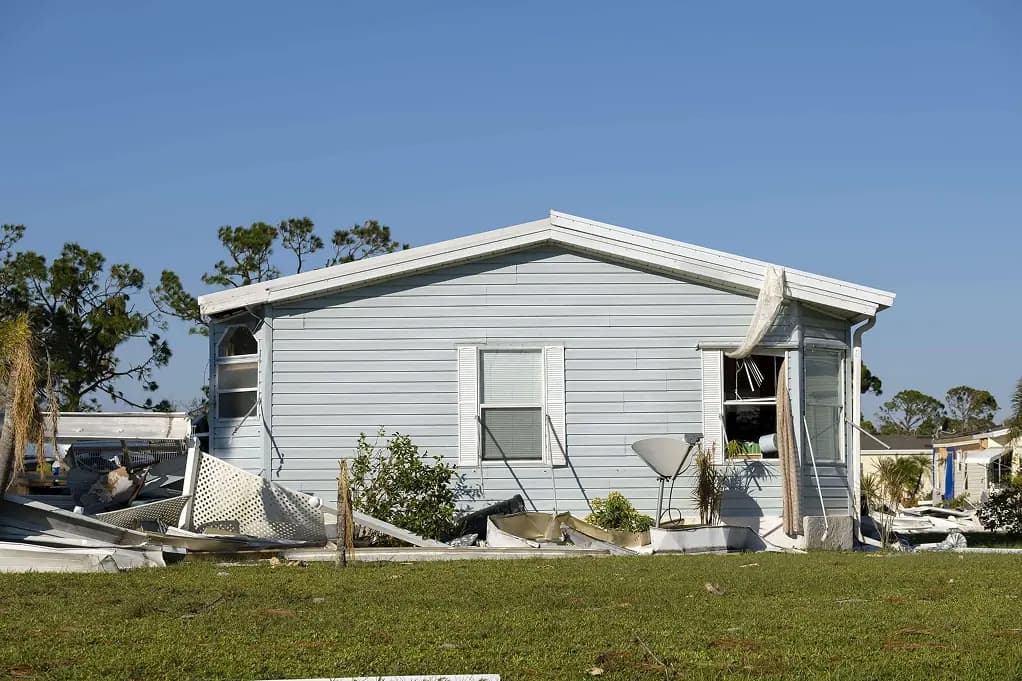
If an agent lists the house, Missouri's licensing law adds another layer. A seller's agent must tell buyers every adverse material fact the agent knows or should have known, and the law's examples include environmental hazards and the property's physical condition.
Should you test for mold before selling?
Usually not. When you can see the mold, the EPA says sampling is in most cases unnecessary, and the CDC does not recommend mold testing.
No EPA or other federal limits have been set for mold, so a lab result can't show that a house passes or fails. Missouri's health department adds that mold turns up in every test, that sampling doesn't measure health risk, and that testing methods aren't standardized.
Testing can still help in a few cases:
- After a cleanup: the EPA says surface sampling may help show whether an area was cleaned properly.
- Suspected hidden mold: a musty smell with no visible source, or known water damage behind a finished wall, may call for an experienced professional.
- Buyer requests: a buyer may ask for a test as a condition of the sale. Your contract decides who pays.
If you do test, the EPA says sampling should be done by professionals with specific experience in designing protocols and reading results. Any results you get become part of what you know, so they go on the disclosure form.
What does remediation involve?
For a small area, it's cleaning and drying. For a large area, or mold that came with a lot of water damage, it's a job for an experienced contractor.
The EPA draws the line at about 10 square feet, roughly a 3 foot by 3 foot patch. Below that, it says most homeowners can handle the job themselves:
- Fix the water first: repair plumbing leaks and other water problems, then dry everything completely.
- Hard surfaces: scrub mold off with detergent and water, then dry them.
- Porous materials: ceiling tiles, carpet and similar materials may have to be thrown away, because mold can be hard or impossible to remove from them.
- No painting over it: the EPA says not to paint or caulk moldy surfaces. Clean and dry them first.
Above 10 square feet, or after heavy water damage, the EPA points to its guide on mold remediation in larger buildings. If you hire a contractor, the EPA says to choose one with experience cleaning up mold, check references, and ask them to follow EPA or professional guidelines. Water from sewage or other contaminated water calls for a professional who has worked on that kind of damage.
Get written quotes before you decide. Cost depends on the size of the area, what has to be removed and what caused it, so we don't give a typical figure here.
Why does fixing the water source matter more than cleaning the mold?
Because mold comes back when the moisture does. The EPA says that if you clean up mold but don't fix the water problem, the mold will most likely return.
The EPA also says a cleanup isn't finished until the water or moisture problem is fully fixed. Missouri's health department puts it simply: control the moisture, control the mold.
In a basement, the source might be a plumbing leak, groundwater coming through the wall, poor grading outside, or humid air. The EPA suggests keeping indoor humidity below 60 percent, ideally between 30 and 50 percent, and using a dehumidifier when needed. Wet materials dried within 24 to 48 hours usually won't grow mold.
This is also what a buyer's inspector looks for. A freshly cleaned wall in a basement that still takes water tells the buyer the mold will return. A repaired leak and dry walls give the buyer much less to worry about. If the water comes through a stone or block wall, our guide to selling a house with foundation problems covers the wall itself.
How does an as-is sale handle a house with mold?
You sell the house in its current condition, and the buyer prices the mold and the water problem into the offer. You still disclose what you know.
As-is fits when the area is large, when water keeps getting in, or when you don't want to manage a contractor and a retest. It can also suit a seller who is short on time or lives out of town.
David's basement had taken some water two to three years before he sold. His wife had taken a government job overseas, and they had roughly 80 to 90 days to close. He wanted at least $260,000, and our offer was built around that figure. We bought the house as-is, with his punch list unfinished, and the sale closed inside the family's window. His story doesn't mention mold. David's story has the details.
When we buy, the offer starts from what the house would sell for. We then subtract a realistic repair budget and the costs we carry, and you see each line. Our page on how we buy houses walks through the method. We pay fair prices, but not always full market value. There's no agent or commission, and no closing costs are passed to you. We can make an offer within 24 hours. We can close in as little as 7 days when the title is clear; 30 to 60 days is typical.
We're the wrong choice when the problem is small. If the leak is fixed and the patch is a few square feet, clean it, disclose it and list the house. You'll likely net more. Our page on selling a water-damaged house explains how we handle the bigger cases.
Frequently asked questions
Will a home inspector find mold?
A home inspector may notice it, but checking for mold isn't part of a standard inspection. InterNACHI's standards of practice say the inspector isn't required to determine the presence of mold, mildew or fungus. The same standards do require the inspector to report observed signs of active water penetration in the basement. If the report notes water, the buyer may hire a separate mold inspector before deciding.
Can a buyer back out over mold?
Often, yes, if the contract has an inspection contingency. The CFPB says a buyer whose contract depends on a satisfactory inspection can cancel without penalty when unhappy with the results. Short of canceling, the buyer may ask you to fix the problem or pay for it, and you can agree or decline. Your contract's wording and deadlines decide what's allowed, so read them closely or ask your agent or attorney.
Does insurance pay for mold removal?
Sometimes. Triple-I says mold damage generally isn't covered by standard homeowners policies, because insurers treat it as a maintenance issue. If the mold is the direct result of a covered event, such as a burst pipe, the cost of removing it may be covered. Policies vary, so check yours and talk with your insurance agent before you start the work. Keep photos and receipts either way.
Is black mold more serious?
Not by color. The CDC says Stachybotrys chartarum, often called black mold, is greenish-black, and that all molds should be treated the same for health risks and removal. Missouri's health department calls the word "toxic" inaccurate and notes that many common molds are black. You don't need to know the type to clean it up. Remove it, fix the water and disclose it.
Do I need a certified remediator?
Missouri doesn't require one. The state's health department says neither Missouri nor the federal government certifies mold testers, and that because mold testing isn't a regulated industry, a business license involves no required training. We found no Missouri law that licenses mold remediators either. For a large job, the EPA says to hire a contractor with experience in mold cleanup, check references and ask them to follow EPA or professional guidelines. Ask any contractor which guidelines they follow and get it in writing.
Can I sell a house with mold after a flood?
Yes, but disclose the flood and the mold. The Missouri disclosure form asks about flood, drainage and water in the basement. The EPA says floodwater leaves wet materials that grow mold, and that water damage from sewage or other contaminated water calls for a professional. If the house still has flood damage, we buy water-damaged houses as-is. Our older post on mold and water damage in St. Louis has more.
When you're ready
If mold or water has you weighing a cleanup against an as-is sale, we can put a written offer beside your quotes. See how we buy houses with water damage, send us a message, or call (314) 334-1481 when it suits you.
Sources
- EPA: A Brief Guide to Mold, Moisture and Your Home
- EPA: Mold Cleanup in Your Home
- CDC: Mold
- CDC: Facts About Stachybotrys chartarum
- Missouri Department of Health and Senior Services: Mold
- Missouri Revisor of Statutes: Chapter 442, Titles and Conveyance of Real Estate
- Missouri Revisor of Statutes: RSMo 442.606, Methamphetamine production disclosure
- Missouri Revisor of Statutes: RSMo 407.010, definitions
- Missouri Revisor of Statutes: RSMo 407.020, unlawful practices
- Missouri Revisor of Statutes: RSMo 407.025, civil action for damages
- Missouri Revisor of Statutes: RSMo 339.710, definitions
- Missouri Revisor of Statutes: RSMo 339.730, seller's agent duties
- Missouri Association of Realtors: Seller's Disclosure Statement, DSC-8000, revised 2009 (eSign copy)
- InterNACHI: Home Inspection Standards of Practice
- CFPB: Schedule a home inspection
- Triple-I: Protecting your home from mold